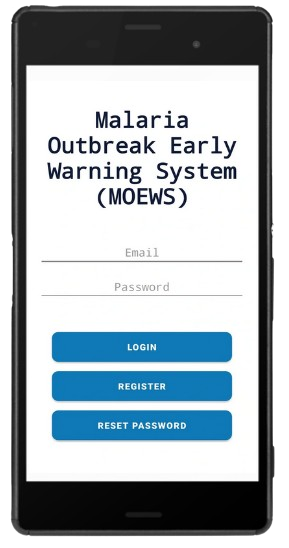
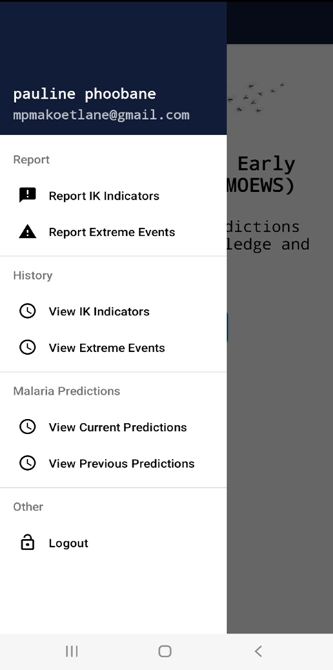
MOEWS MOBILE APPLICATION

Our mobile application is available for both android and iPhone. You can view malaria early warning alerts from the mobile app. The mobile app is also used by indigenous knowledge (IK) experts to capture IK indicators. You can download the application HERE!
MOEWS WEBSITE

You can view malaria early warning alerts on our website, accessible through any device of your choice. Additionally, the website provides the latest news on malaria and other infectious diseases.

resources

weather forecast

Weather Icon

Weather Icon

Weather Icon

some of

Malaria Outbreak Indegenous Knowledge Indicators

Ants gathering food
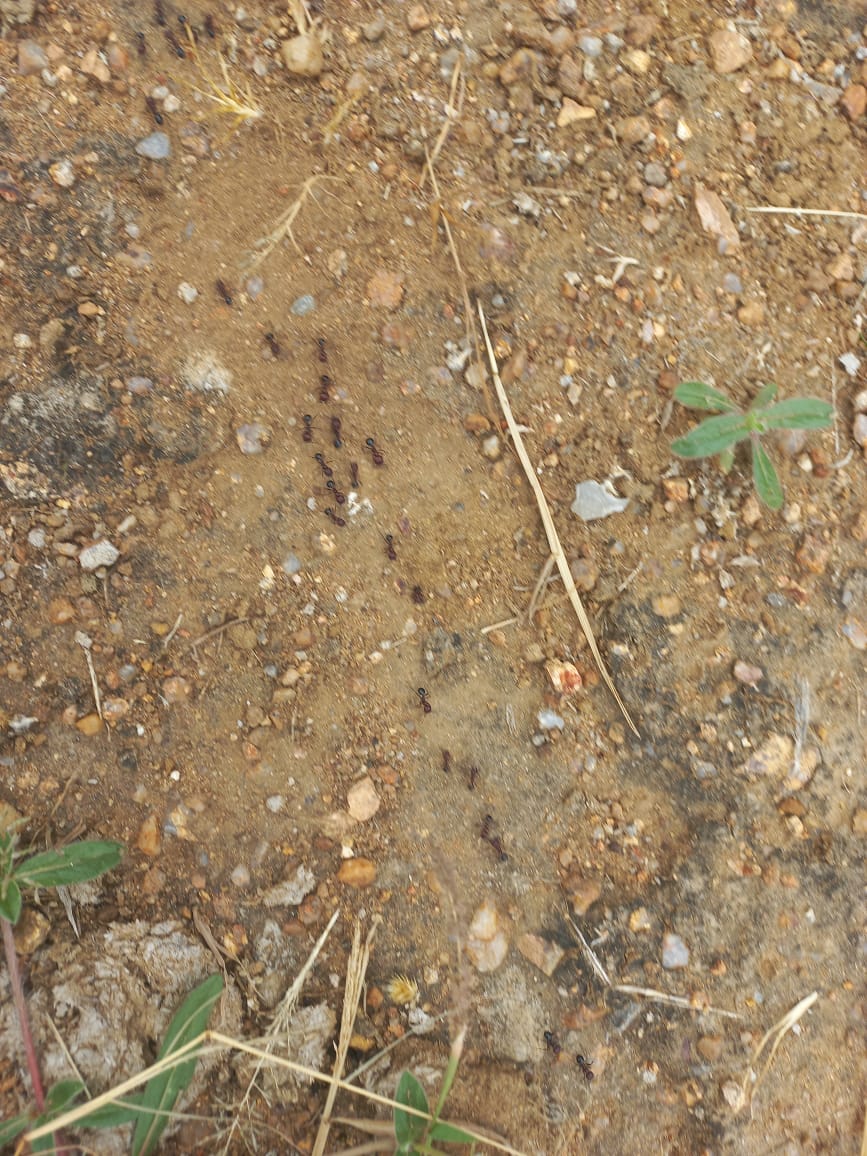
Image 2
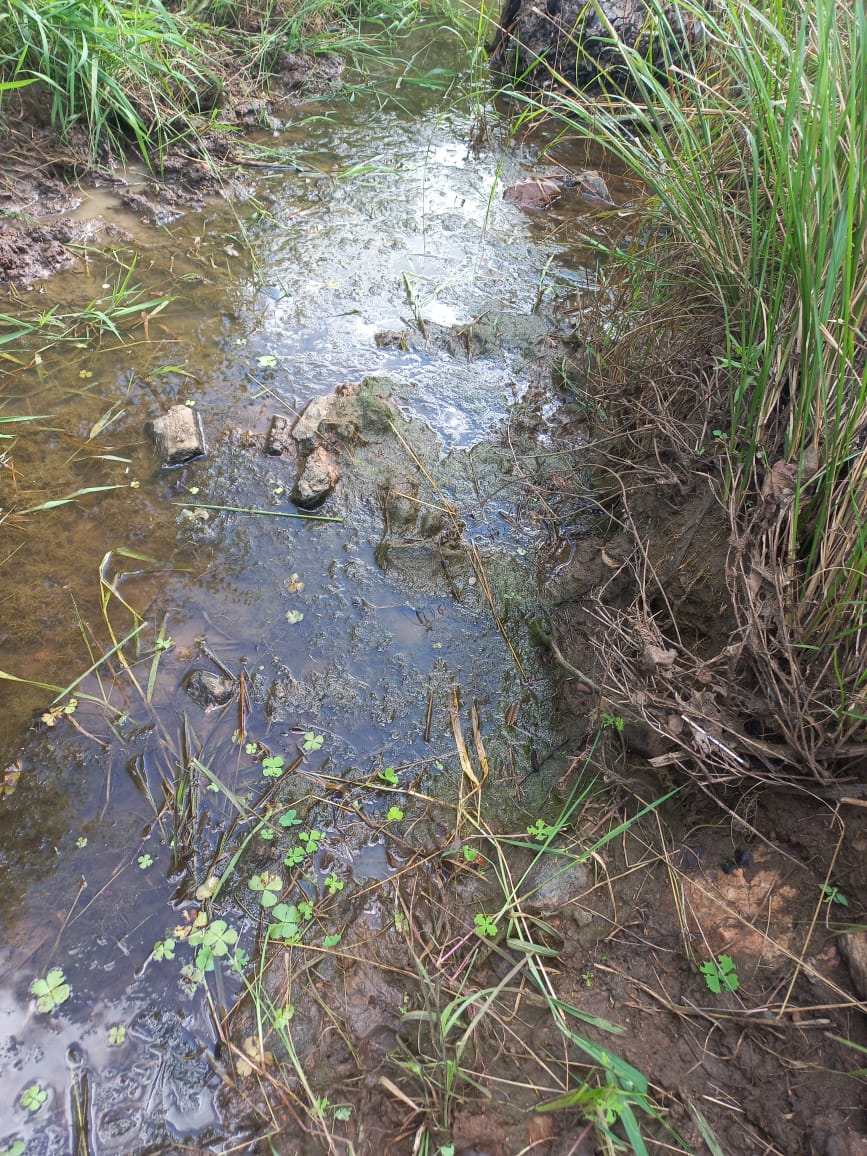
Dirty water in small pools
Image 4
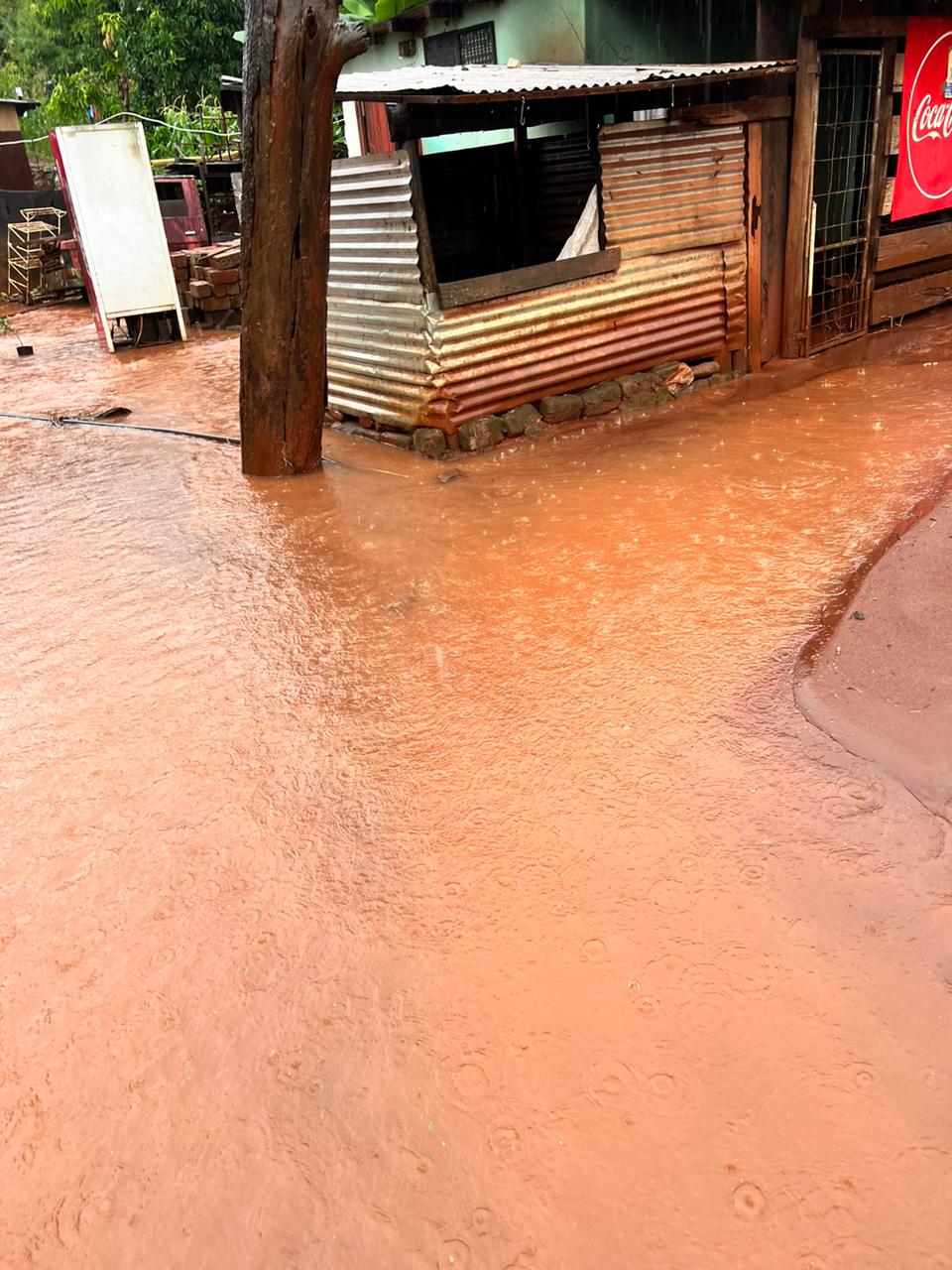
Flooding
Image 3
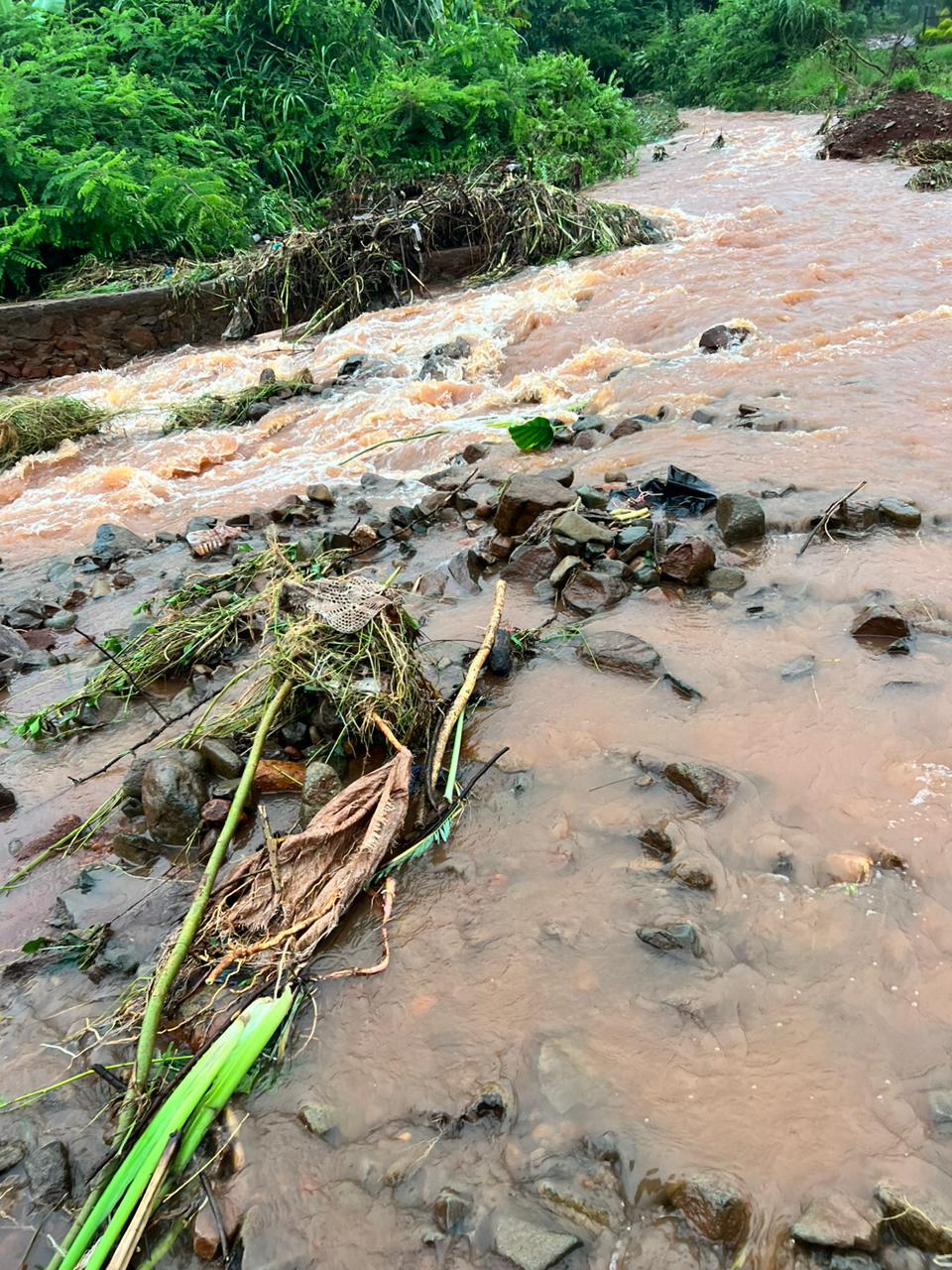
Flooded Streans
Image 1
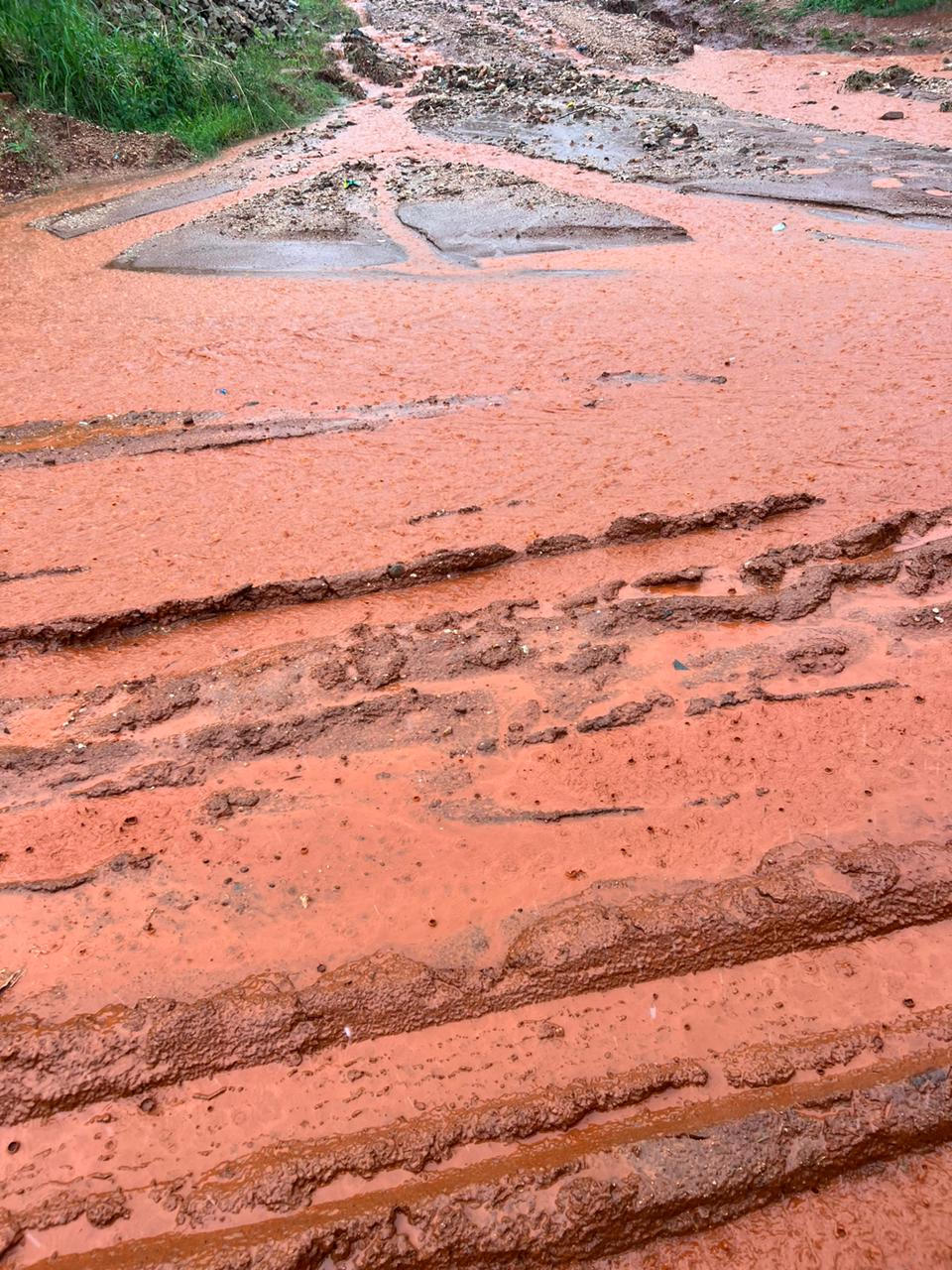
Floods
Image 5
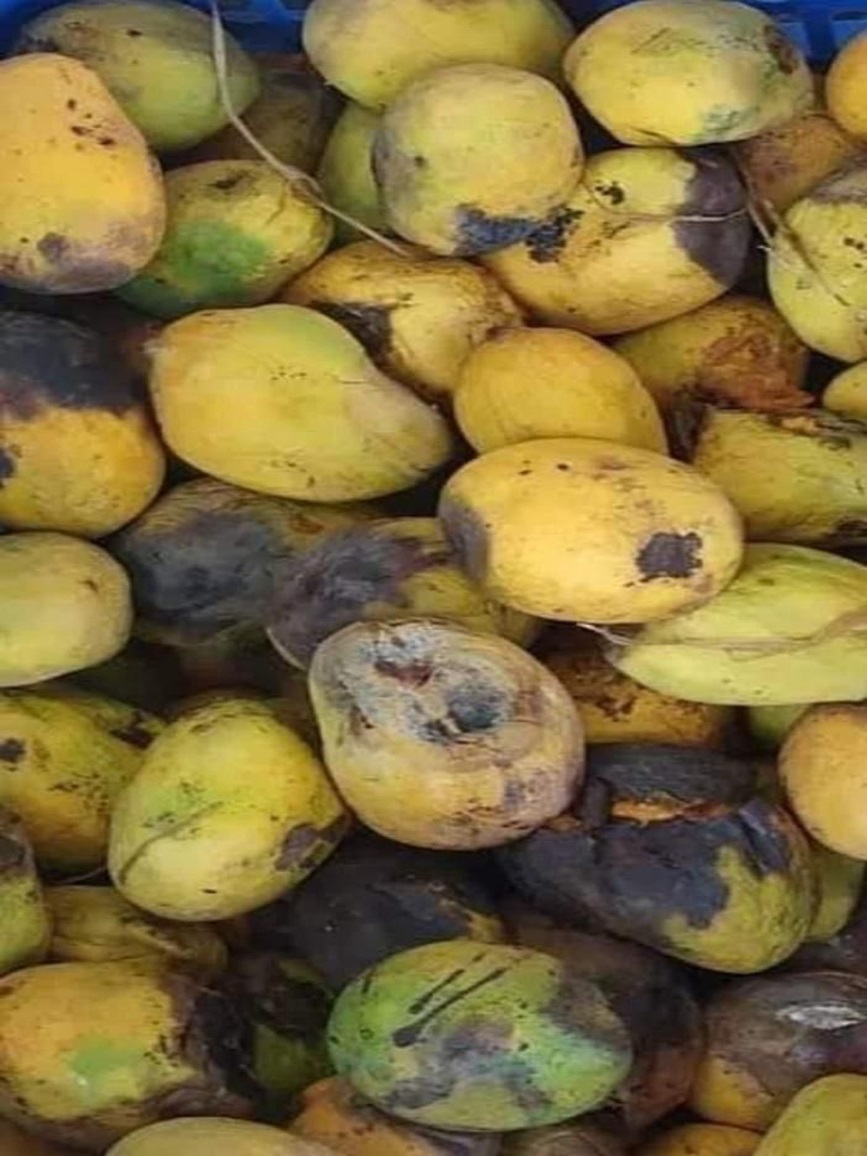
Rotten Mangoes
Image 6

detailed

Indigenous Indicators of Malaria Outbreaks

Summer (Nov-Feb) Autumn (March-April) Winter (May-July) Spring (Aug-October)
Astronomical & meteorological
  • High temperatures during summer along with heavy rains are followed by malaria outbreaks.
  • When the moon is tilted, it means there will be a lot of rain and malaria.
  • The sight of the moon and the sun surrounded by a lot of clouds indicates floods/heavy rain and malaria can be expected.
  • The sight of stars clustered not in the middle of the sky but along the horizon indicates long soft rains that will be followed by malaria.
  • When the moon is surrounded by a ring of stars, it is an indication of upcoming rain and malaria season. The bigger the ring, the higher the incidences of malaria can be expected.
  • If it rains a lot in autumn, malaria can be expected.
  • If it rains in August and September, it indicates there will be plenty of rain and malaria in summer.
Behaviours of Birds
  • The sight of many birds around indicates rainy and malaria seasons.
  • The sight of many swallows flying around means the onset of rain and malaria season is imminent.
  • The sight of birds that are not usually seen means little rain and less malaria in summer.
  • The sight of many birds around indicates rainy and malaria seasons.
Behaviours of Trees/Plants
  • Black sports on mangos aremalaria forecast.
  • When there are too many mangos, guavas, jackal berries and marula fruit falling from the trees, malaria can be expected.
  • Tree leaves when they lose their green colour – drought can beexpected.
  • When fig trees (“Muhuyu”) do not shed their old leaves, it indicates little rain and less malaria.
  • Many flowers on the mango trees are an indication of upcoming malaria.
  • When the Quinine Tree (Rauvolfia caffra Sond) “Munadzi” tree drips, malaria can be expected.
  • When “mofafa grass” has many ticks, it is an indication of the start of rain and malaria season.
  • When mango trees have more flowers, and they are followed by rains and wind, there will be more malaria incidences.
Insect behaviour
  • When ants gather food and store it underground, it signifies the imminence of the rain and malaria season.
  • Visibility of butterflies, crows, and millipedes indicates that rain is forecast and malaria can be expected.
  • When ants gather food and store it underground, it signifies the imminence of the rain and malaria.
  • The sight of little or no insects, especially locusts, indicates that the upcoming spring and summer will have a lot of rain and malaria.
  • When ants gather food and store it underground, it signifies the upcoming rain season and indicates the imminence of the malaria season.
Animal behaviour
  • The sight of many sardines in dams in summer indicates good rains and that malaria can be expected.
  • The hearing of frogs croaking is an indication of a rainy summer season and more malaria incidences.
  • Frequent sight of cattle running with tails raised is a sign they are happy for the upcoming rain season, and malaria incidences can be expected too.
  • Frequent sight of cattle running with tails raised is a sign they are happy for the upcoming rain season, and malaria incidences can be expected too.
  • A lot of Cattle Egrets around cattle indicate rainy seasons and a lot of malaria incidences.
Myth,Religious Beliefs & others
  • After a period of 5–7 years, there is a lot of rainfall and malaria. After another period of 5–7 years, we experience drought and fewer malaria incidences.
  • When heavy rains in summer stop and water on the ground recedes, forming small pools of water, a malaria outbreak can be expected.
Knowledge of Season
  • In summer, there is usually malaria.
  • A lot of rain or water on land is followed by malaria.
  • It always rains extremely in summer with high temperatures, followed by malaria.
  • Malaria usually occurs in autumn.
  • If there is no rain in spring, there will be drought and fewer or no malaria incidents in summer can be expected.
  • Rains in August and September indicate that there will be a lot of rain in summer and malaria can be expected.

To download the document CLICK HERE!